Micron-Level Laser Drilling Technology for Precision Filter Screens: Industrial Solution for High-Density Micro-Hole Groups
Micron-level laser drilling technology for precision filter screens enables industrial-scale production of high-density micro-hole groups.
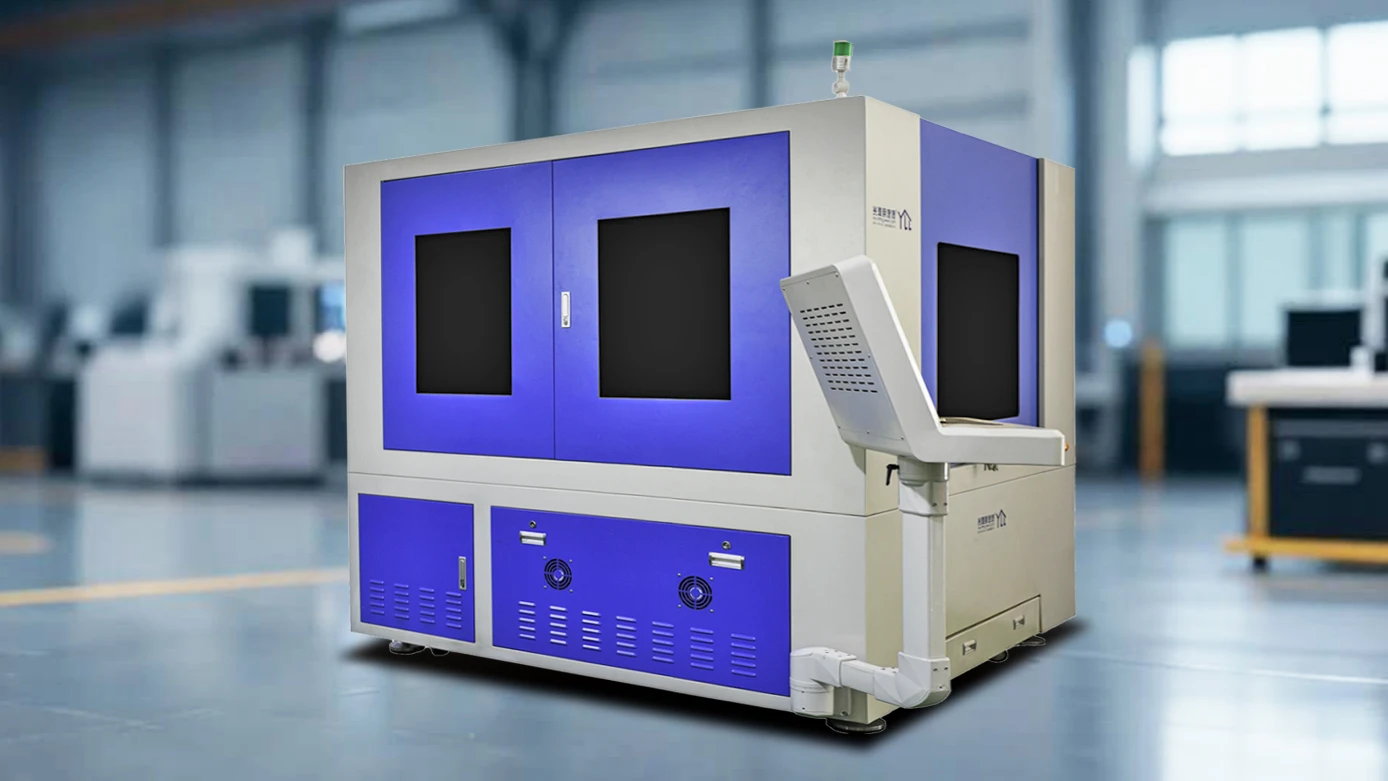
Processing Results
- precision filter screen
- micron-level laser drilling
- high-density micro-holes
Details
1. Core Requirements for Precision Filter Screens
In modern industrial filtration, precision filter screens play a critical role in separation, classification, and filtration processes. Whether it is catalyst recovery in the chemical industry or powder classification in pharmaceutical manufacturing, the demands on hole diameter accuracy, hole density, and consistency are exceptionally high. Traditional mechanical punching processes face bottlenecks such as die wear and hole deformation when hole diameters drop below 100 microns. Laser drilling technology, with its non-contact and high-precision advantages, has become the ideal solution for breaking through this limitation.
2. Technical Principles of Micron-Level Laser Drilling
Laser drilling utilizes a high-energy-density pulsed laser beam focused on the material surface, melting and vaporizing the metal sheet locally within an extremely short time to form high-precision circular holes. By controlling laser power, pulse width, repetition frequency, and defocus distance, precise machining with hole diameters ranging from 10 to 500 microns can be achieved. For precision filter screens, hole diameter tolerance must be controlled within ±5 microns, and hole pitch consistency deviation must not exceed ±3 microns.
2.1 Key Process Parameters
Achieving high-quality micron-level drilling requires precise coordination of multiple parameters: laser wavelength (typically 1064nm fiber laser), single pulse energy (adjustable from 0.1 to 10mJ), pulse width (nanosecond to picosecond range), scanning speed (up to 5000mm/s), and assist gas pressure. The optimized combination of these parameters directly determines hole wall roughness, heat-affected zone (HAZ) size, and burr formation at the hole entrance.
3. Industrial Challenges of High-Density Micro-Hole Arrays
Machining a single micro-hole is no longer difficult — the real challenge lies in arranging hundreds of thousands or even millions of micro-holes with high density and high consistency across a screen area of several square meters. This requires the laser processing system to feature extremely high positioning accuracy (±2 micron-class linear motor drive), high-speed galvanometer scanning capability, and real-time inline inspection feedback.
3.1 Large-Area Stitching and Precision Maintenance
For extra-large format screens, a single scanning zone cannot cover the full area, necessitating a multi-zone stitching strategy. The stitching error of each sub-zone must be strictly controlled; otherwise, it will lead to non-uniform filtration performance. Advanced visual positioning systems achieve micron-level alignment between zones through Mark point calibration, ensuring consistent hole distribution across the entire screen.
4. Performance Advantages of Laser-Drilled Screens
Compared to traditional woven mesh and electroformed mesh, laser-drilled screens offer significant advantages: flexible and adjustable hole diameter range (10–500μm), precisely designable open area ratio (up to 60% or above), high hole shape regularity (circularity exceeding 95%), wide material thickness adaptability (0.05–2.0mm), and the ability to customize special-shaped hole patterns according to specific filtration requirements.
4.1 Typical Application Scenarios
Laser-drilled precision screens are widely used in: lithium battery cathode material screening, high-end coating particle control, pharmaceutical powder classification, precision catalyst supports, aerospace hydraulic oil filtration, and semiconductor wafer slurry filtration. In these applications, the hole diameter accuracy and consistency of the screen directly affect the quality and yield of the final product.
5. Future Development Trends
With the maturation and cost reduction of ultrafast laser (picosecond, femtosecond) technology, cold processing mode will further minimize the heat-affected zone, achieving even higher-quality micro-hole machining. Meanwhile, AI-driven adaptive process control and full inline inspection systems will elevate production efficiency and quality control to new levels, driving the large-scale application of micron-level laser-drilled screens in more high-end manufacturing fields.
Need a similar processing solution?
Contact our technical experts for a customized solution
Contact Us: +8618682295530